
The Art of Avian Embroidery: A Study in Textile Heritage and Craftsmanship
$7.00
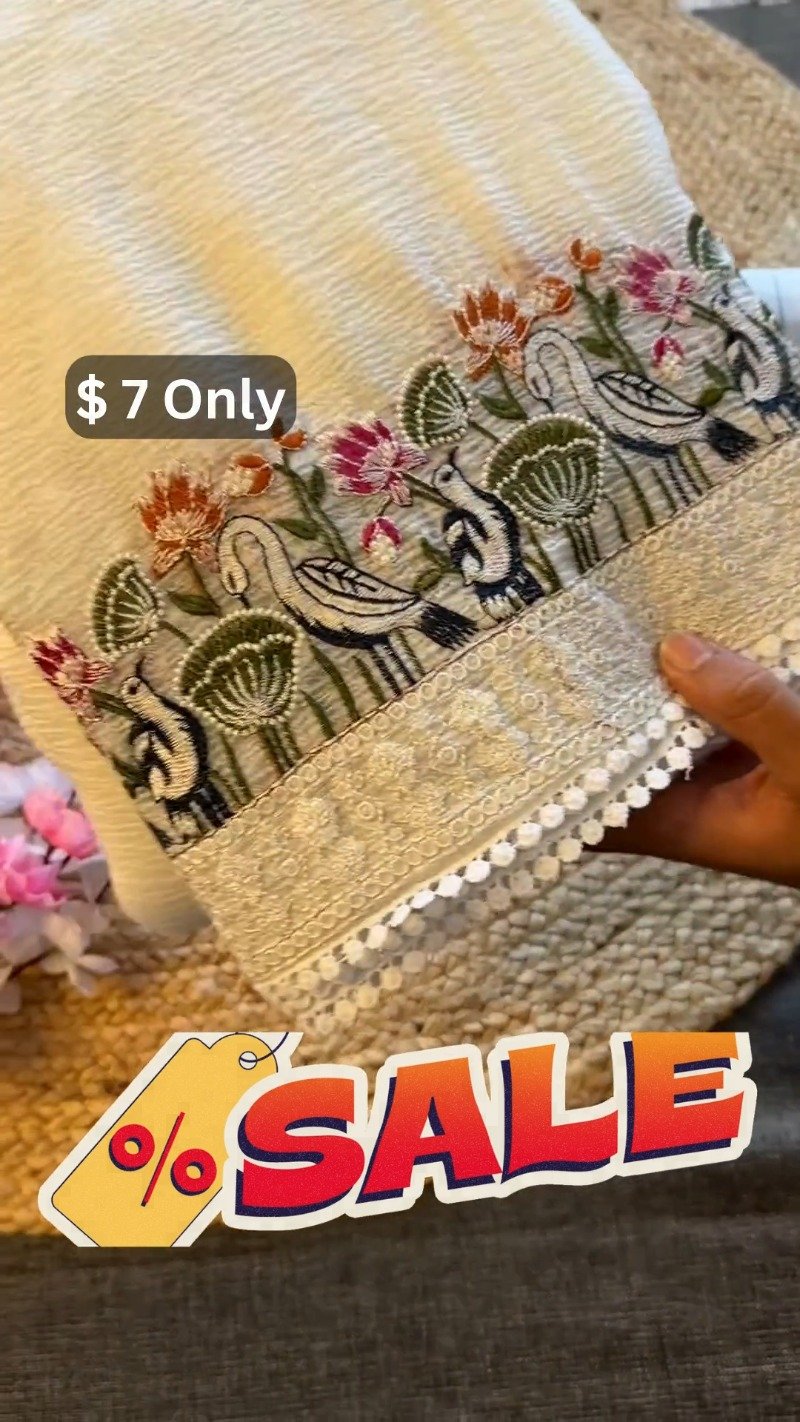
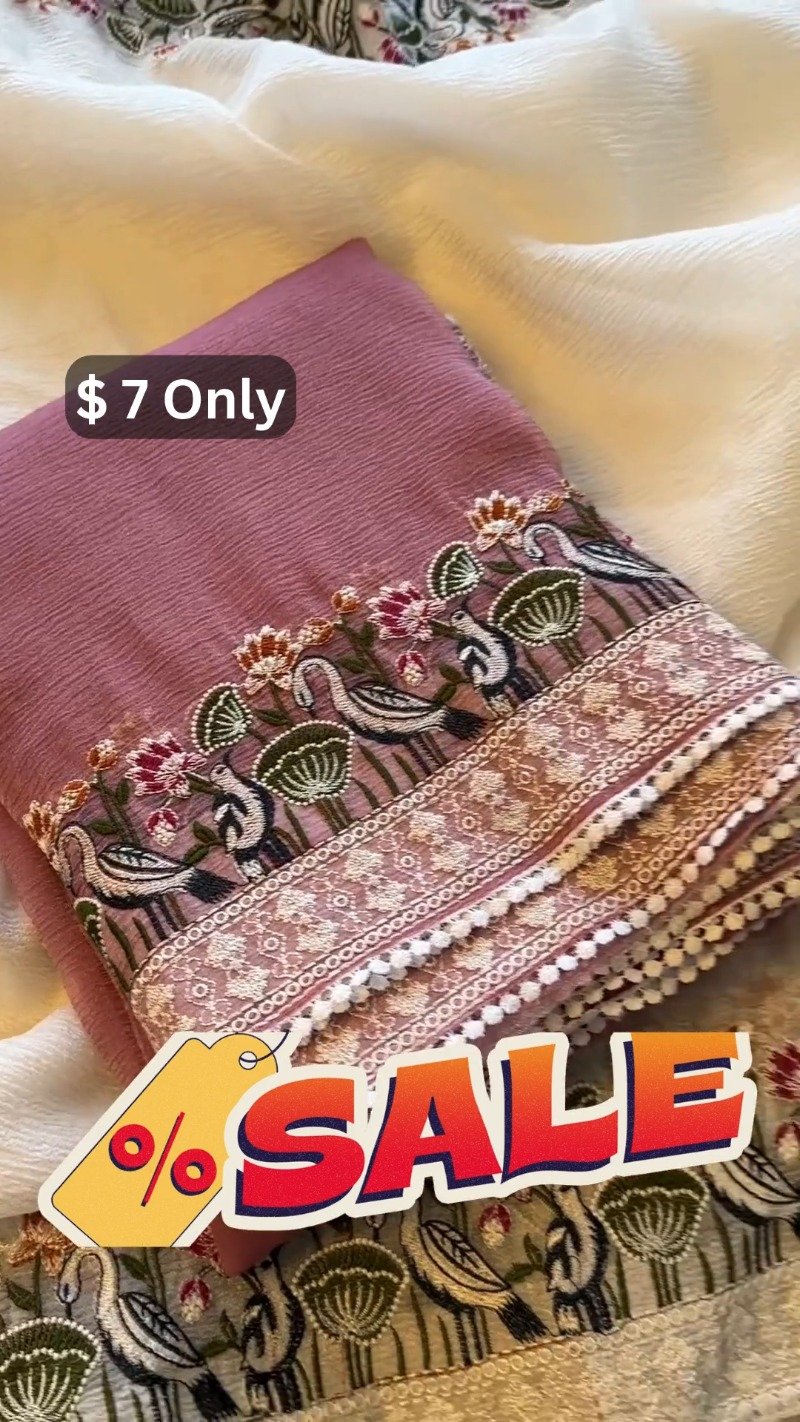
& Free ShippingThe fabric presented in this image is a testament to the enduring beauty of handcrafted textile art, a medium through which cultures have told their stories for centuries. At first glance, the viewer is drawn into a world of muted sophistication, where a dusty mauve or pale lavender base colour sets a tone of understated elegance. This is not a loud or brash fabric; it whispers its beauty through texture, thread, and the patient skill of an artisan’s hand. The material itself appears to possess a subtle sheen, suggesting a silk blend or a finely woven fabric that mimics the luxurious drape of natural fibres. Its surface carries a gentle crinkle, a texture that catches and plays with light in a way that adds remarkable depth and dimension to the overall composition. One can almost feel the softness of the cloth through the image, imagining how it would cascade and fold when draped upon a human form. The colour palette is restrained yet rich, a choice that speaks of refined taste and an appreciation for subtlety over ostentation. It is the kind of fabric that would not shout for attention in a crowded room but would instead reward the closer look with its intricate details and quiet confidence.
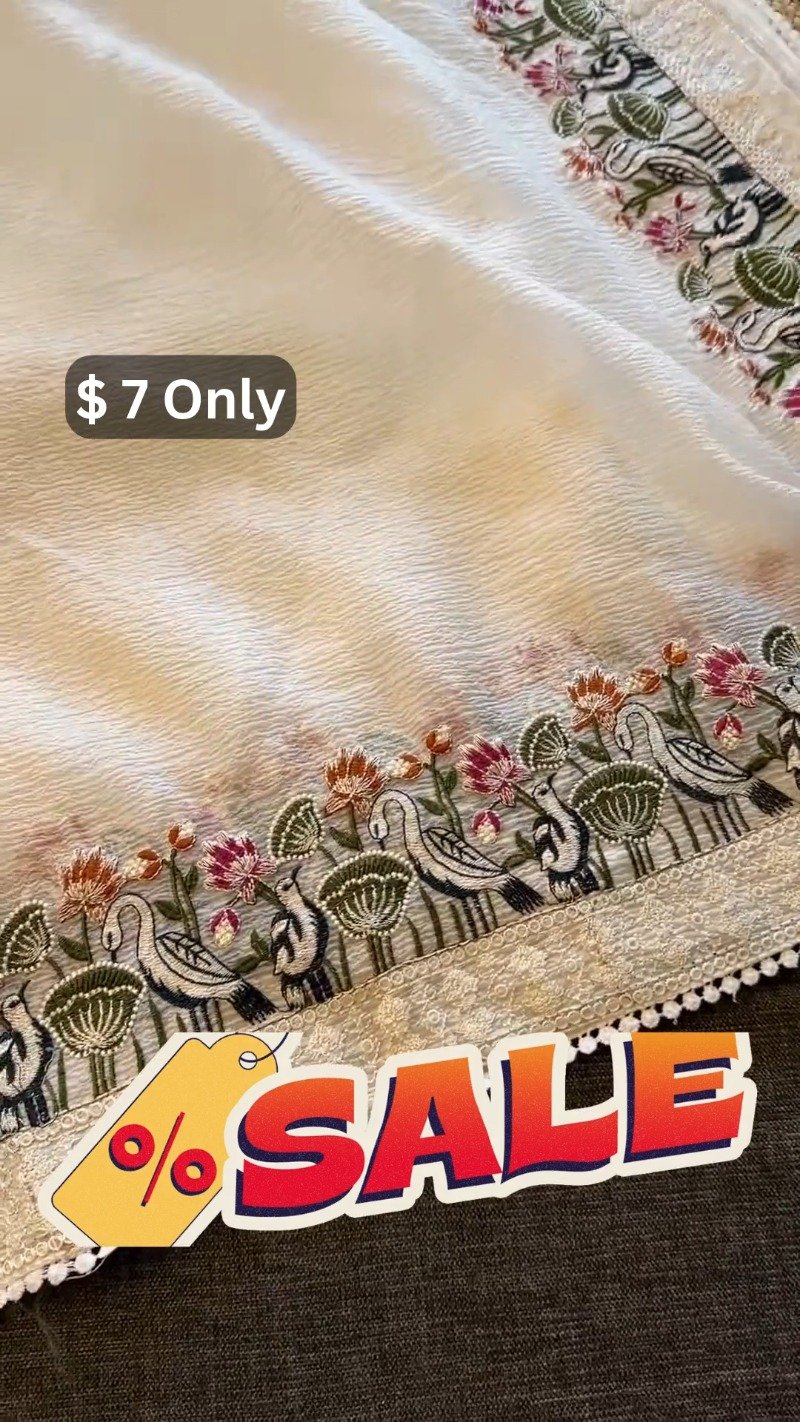
The true focal point of this textile is the elaborate embroidery that stretches horizontally across the lower section of the frame. This is far more than mere decoration; it is a narrative woven in thread, a visual poem composed of motifs that speak to nature, tradition, and artistic dedication. The primary motif is a series of stylised birds, gracefully rendered in contrasting shades of dark charcoal or black, accented with touches of white and pale gold. These avian figures, possibly peacocks or cranes, are depicted in profile, facing inward toward one another, creating a profound sense of symmetry and balance that is pleasing to the eye. Their forms are elongated and elegant, with gracefully curved necks and detailed plumage that suggests the texture of feathers through a masterful combination of satin stitches and carefully outlined shapes. Each bird is a small masterpiece of needlework, with individual feathers delineated by careful stitches that create a sense of volume and movement. The artisan has clearly taken great care to ensure that each bird, while part of a repeating pattern, retains a sense of life and individuality.
Interspersed among these majestic birds are delicate floral and botanical elements that ground the design in a naturalistic setting. Slender stems and leaves, rendered in shades of olive green and muted brown, weave through the composition, while small blooming flowers in dusty rose and cream rise above the birds. These floral elements provide a soft, organic contrast to the more structured forms of the birds, creating a sense of a living, breathing garden captured in thread. The embroidery technique is evidently a mix of flat stitches for larger shapes and more intricate, raised stitches for fine details, granting the design a three-dimensional quality that practically invites the viewer’s touch. The shading and layering of the threads create a sense of depth, making the flowers appear to bloom from the fabric itself. Below the main embroidered panel lies a series of distinct borders. The first is a wide band of geometric patterns, featuring repeating diamond and floral shapes stitched in a lighter, cream-coloured thread against the mauve background. This structured band provides a visual break from the organic forms above, grounding the design with its orderly repetition. Following this is a narrower band of delicate, lace-like embroidery, possibly featuring small eyelet holes or cutwork, which adds a sense of airiness and lightness to the lower portion of the fabric. Finally, the bottom edge is finished with a row of small, round pom-poms or tassels in cream, adding a playful, tactile element and a sense of movement that would sway gently with the wearer’s steps.
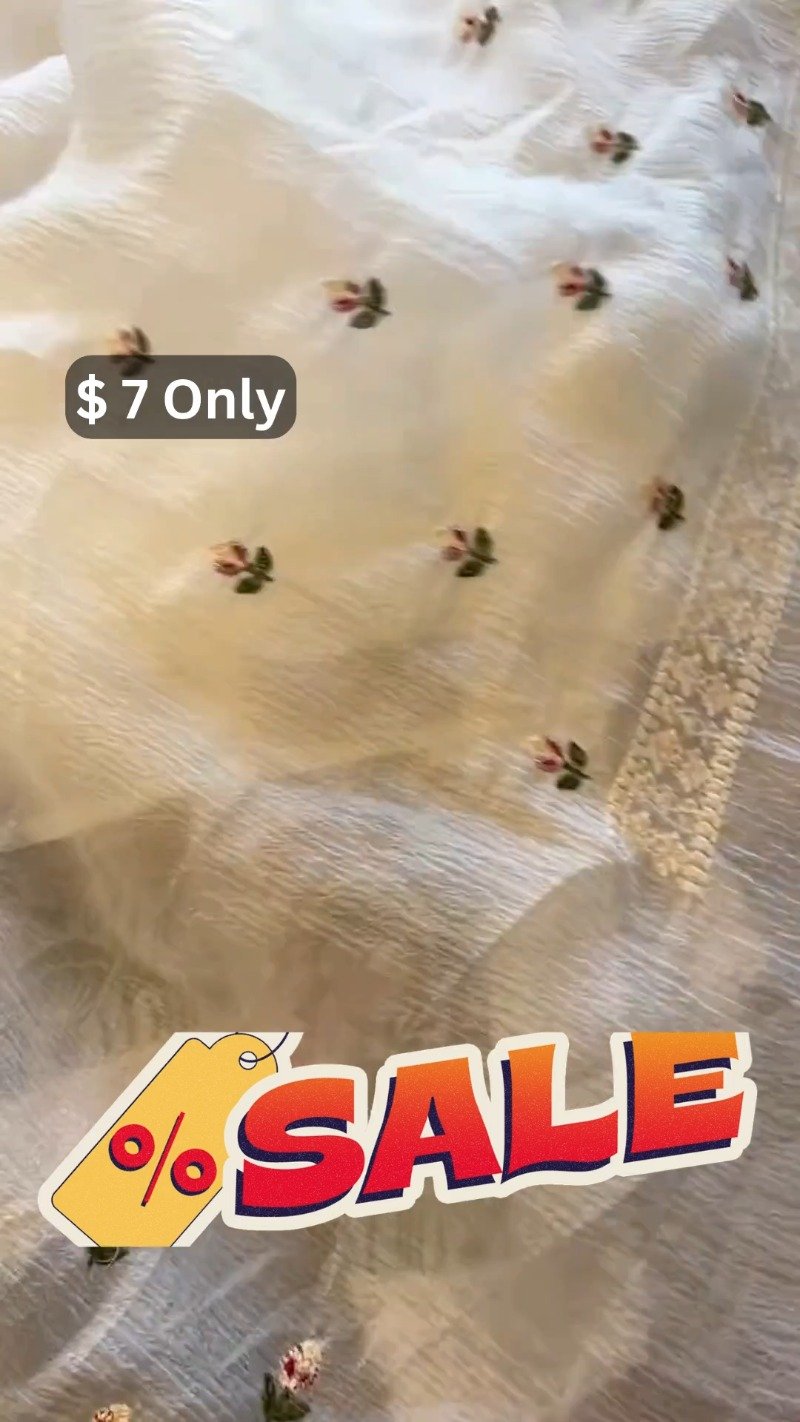
In the blurred background, another layer of similarly embroidered fabric hints that this is part of a larger garment, perhaps a saree, a dupatta, or a lehenga. The overall impression is one of meticulous craftsmanship, where colour palette, motif, and execution unite to transform simple cloth into a canvas for cultural storytelling. The soft lighting highlights the texture of the thread and the subtle sheen of the fabric, making it feel almost tangible. This is a textile that honours the past while remaining relevant to the present, a piece that would be treasured for generations. It speaks of a time when clothing was not merely functional but was a form of artistic expression, a way of carrying one’s heritage with pride. The hours of labour that went into its creation are evident in every stitch, every carefully placed thread, making it not just a piece of fabric but a work of art that tells a story of dedication, skill, and cultural pride.